Recycled Content Calculation Methodology
Recognizing the complexity and the lack of consistency in calculating recycled content, Constellium has developed its methodology based on extensive experience in aluminum recycling accounting.
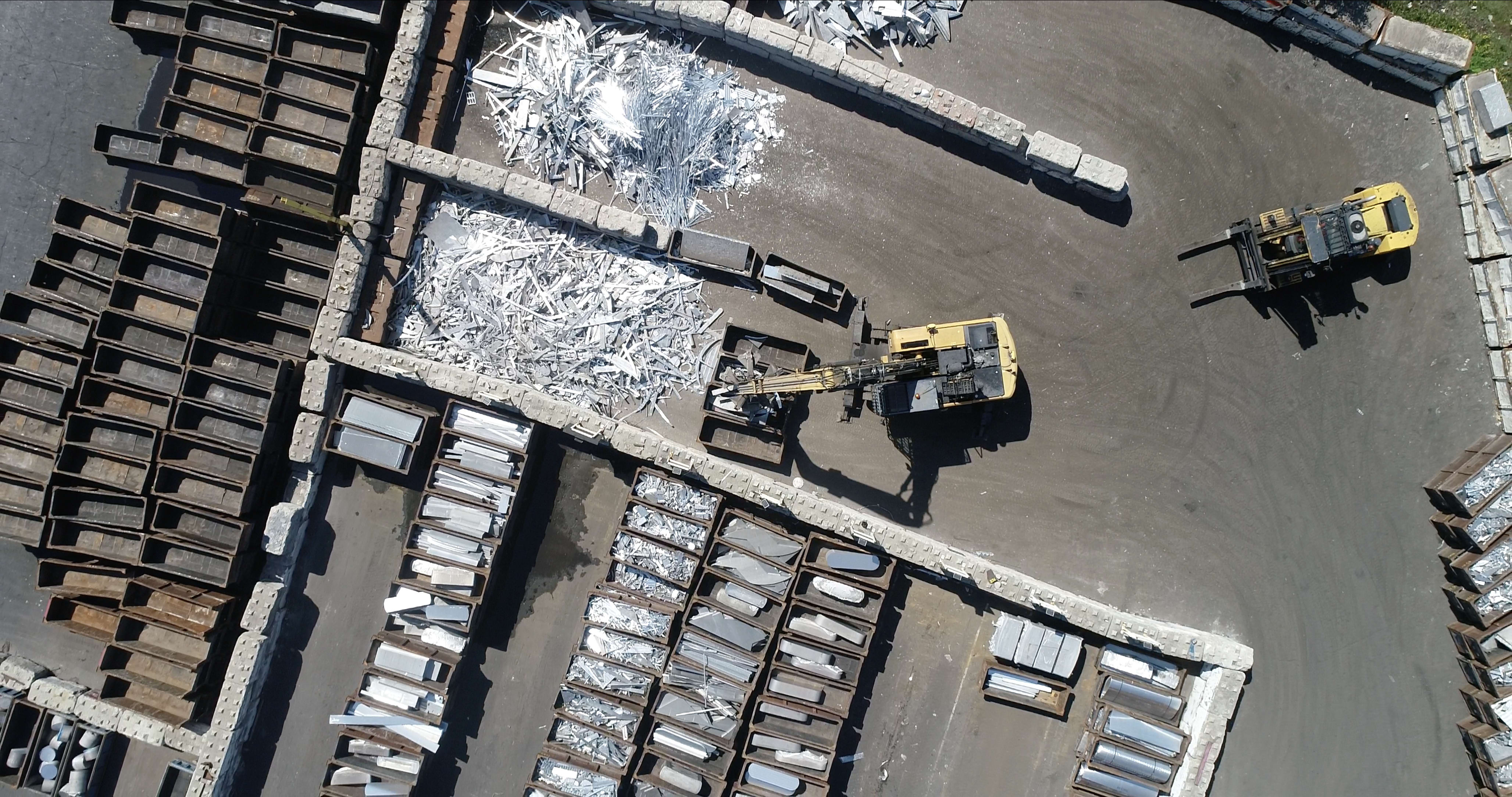
Aluminum can be recycled repeatedly while maintaining its material properties, and recycling requires only ~5% of the energy needed for primary production. As such, transparency and rigor in recycled content calculation are essential to assess the carbon footprint of a product.
Recognizing the complexity and the lack of consistency in calculating recycled content, Constellium has developed its methodology based on extensive experience in aluminum recycling accounting. By combining clear definitions, strict allocation rules, and third-party verification, we aim to provide the best possible recycled content data while promoting closed-loop recycling and a more circular aluminum value chain.
Download our White Paper
Read our White Paper for detailed insights into our rigorous methodology for calculating recycled content in aluminum, grounded in ISO standards, mass-balance principles, and strict allocation rules to ensure auditability and transparency.
Our Recycled Content Calculation Principles
- Transparency, accountability, and trust in reporting.
- Clear communication of calculation boundaries and assumptions.
- Distinction between pre-consumer (downstream production scrap) and post-consumer (end-of-life products) material.
- Excludes “runaround scrap” (internal process scrap reused within the same step) from recycled content.
Recycled Content Generic Formula
Constellium's generic formula is

Generic formula: Based on net scrap input (adjusted for melt losses and scrap sales).
Mass-balance/credit approach (ISO 22095): Uses periodic averages since full physical traceability is not feasible.
- Recognizes closed-loop recycling with customers as particularly valuable.
- Scrap allocations are realistic, facility-specific, and not transferable between plants.
Allocation rules:
- Market scrap is pooled and allocated across products.
- Closed-loop scrap is allocated back to the customer providing it.
- Ensures no over-allocation beyond physical feasibility or metallurgical constraints.
Third Party Verification
- Data is audited by a third-party against ISO 14021 and ISO 14026