Aluminum scrap: a strategic resource Europe cannot afford to lose
Industry Insights
Sustainability Engagement
Insights from Philippe Hoffmann, President of Aerospace and Transportation at Constellium and member of the European Aluminium Executive Committee
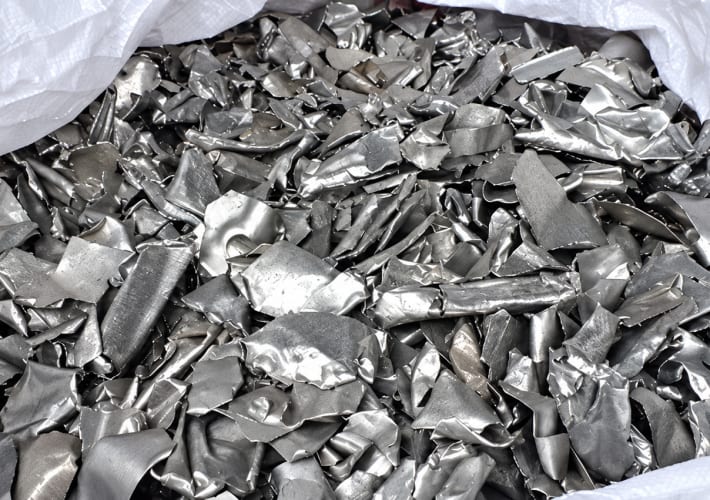
As Europe invests heavily in recycling and seeks to increase the use of recycled aluminum, growing scrap leakage is putting these ambitions at risk.
Philippe Hoffmann shares his perspective on why scrap leakage has become a critical challenge for the European aluminum industry, why current measures may not be sufficient, and what European policymakers need to do to secure the raw materials needed to support Europe’s recycling investments and circular economy.
How would you describe the situation facing the European aluminum industry today?
Europe has very ambitious objectives around strategic autonomy, reindustrialization and decarbonization, and we strongly support those ambitions. Aluminum is one of the key levers for achieving all three. The challenge is that there is a growing gap between these ambitions and some of the decisions being made, which risk producing the opposite result.
What we need above all is consistency. If Europe wants a strong, independent and circular aluminum industry, its climate, trade and industrial policies must create the conditions for companies to invest, grow and compete, both in Europe and globally. Otherwise, we risk weakening the very industrial base Europe needs to achieve its decarbonization and strategic autonomy goals.
Aluminum scrap has become a major issue for the industry. Why is it so important?
Aluminum itself is already recognized as a critical and strategic raw material by the European Union and NATO. That makes aluminum scrap much more than waste. It is a valuable source of metal that can be recycled repeatedly, using significantly less energy than producing primary aluminum. Keeping sufficient scrap in Europe therefore helps reduce our dependence on imported primary materials and rare alloying element, strengthens our industrial resilience and supports our decarbonization objectives.
When scrap collected in Europe is exported and transformed elsewhere, Europe loses twice: we lose access to a strategic resource as well as the environmental benefit of recycling that material here, and we effectively encourage industrial investment and job creation outside Europe rather than supporting our own industrial base.
The Commission had been considering measures on aluminum scrap exports. How concerned are you that these have been delayed?
We are deeply disappointed.
The Commission has itself recognized the strategic importance of aluminum scrap and committed to addressing the growing leakage of this resource from Europe. The industry engaged constructively in that process and made investment decisions in the context of Europe's clear commitment to circularity.
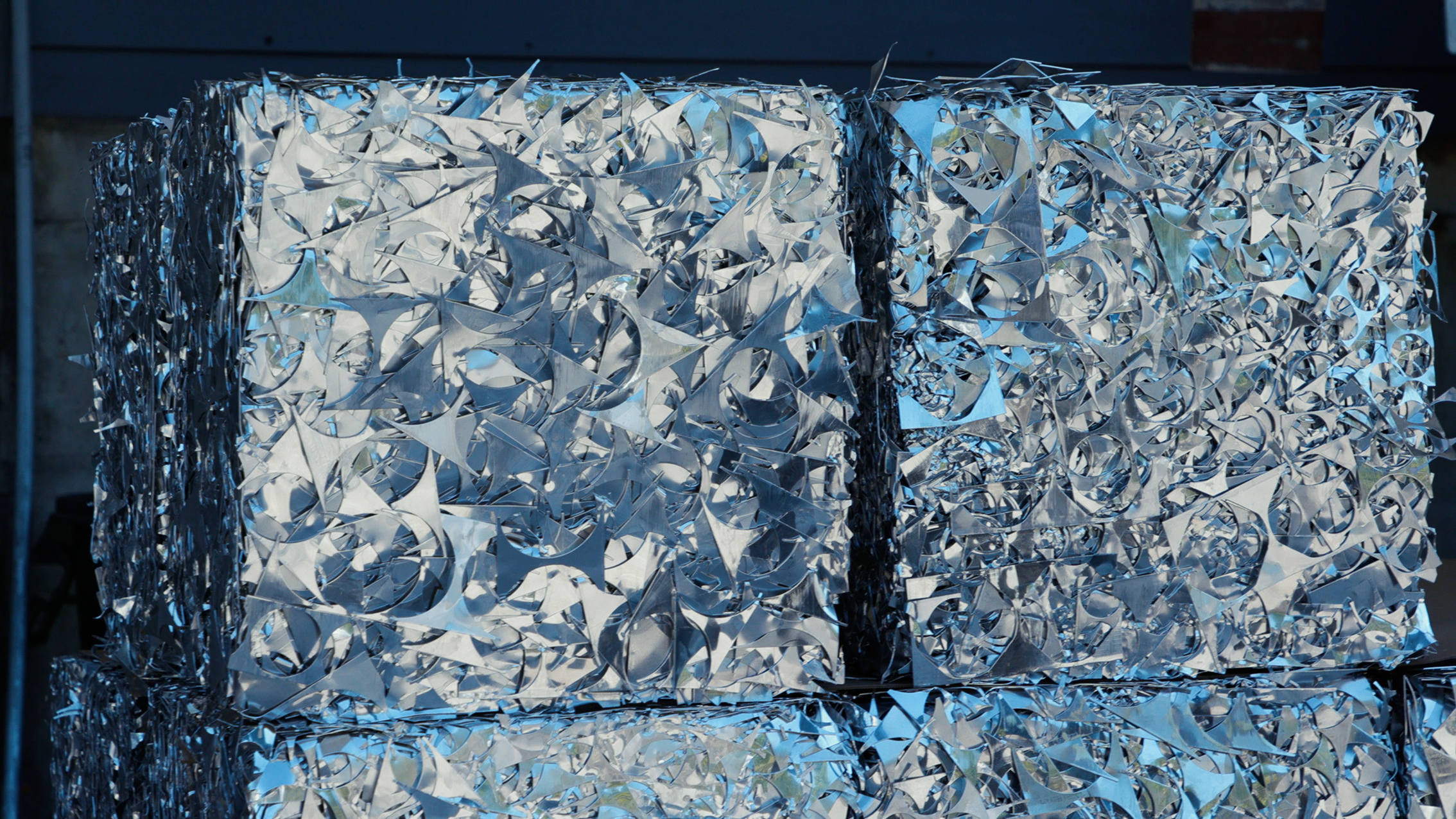
Europe exported a record 1.27 million tons of aluminum scrap in 2025. This is a strategic resource for European recycling facilities depend.
Delaying effective action sends a troubling signal. You cannot ask industry to invest in circularity and, at the same time, allow the raw material necessary for that circularity to leave Europe.
The European Commission could argue that the Waste Shipment Regulation will help address scrap exports. Why isn't that sufficient?
The Waste Shipment Regulation is a useful tool, and we support measures that ensure European waste is managed responsibly. But we do not believe it can replace a targeted trade measure on aluminum scrap.
There are several reasons why its effectiveness could be limited. First, the Regulation allows non-OECD countries to request exemptions, and 32 countries have already applied. Second, there is a potential risk of circumvention: scrap could be exported first to an OECD country and subsequently re-exported to a non-OECD destination.
There is also the issue of "end-of-waste" requalification. Once scrap has been sufficiently sorted and processed, it can potentially be classified as a secondary raw material rather than waste, meaning that it would no longer fall within the scope of waste shipment restrictions. … This creates another potential loophole, making the regulation difficult to enforce and limiting its effectiveness in preventing scrap leakage from Europe.
What could limited access to aluminum scrap mean for Constellium’s operations and future investments in Europe?
Europe has encouraged companies like ours to invest in circularity, and we have done exactly that. Our new recycling center in Neuf-Brisach alone represents a €130 million investment in Europe’s recycling capacity.
But these facilities need reliable access to sufficient volumes of suitable scrap to operate effectively and competitively. If more European scrap continues to leave the region, securing that supply becomes increasingly challenging.
This also has implications for future investment. Major recycling projects require significant capital and a long-term perspective. Without sufficient visibility on access to the raw material needed to operate them, it becomes much more difficult to justify the next investment.
Europe cannot encourage industry to build recycling capacity without also creating the conditions to ensure that capacity has access to the scrap it needs.
What do Constellium and the European aluminum industry need from policymakers?
What we are asking for is fair competition and policy coherence.
We need greater consistency between Europe’s industrial and climate ambitions and the policies needed to deliver them. Europe cannot ask manufacturers to increase recycled content without also ensuring that we have access to the scrap needed to do so.
Beyond decarbonization and competitiveness, this is also a matter of strategic security. When aluminum scrap leaves Europe, we are not only losing a strategic raw material but we are also losing access to valuable alloying elements embedded in that scrap that are critical for high-performance applications, including aerospace and defense.
We need to put in place effective measures to retain sufficient scrap in Europe, while at the same time improving collection, sorting and closed-loop recycling.
More broadly, we need faster and more predictable decision-making, a stable regulatory framework, and access to affordable, reliable and low-carbon energy.
European manufacturers have already invested significantly to support Europe’s industrial and climate objectives. We are ready to continue investing. But Europe now needs to create the conditions that make those investments competitive.
If Europe wants to preserve its industrial base while achieving its decarbonization and strategic autonomy ambitions, industrial competitiveness has to be part of the equation.Top of Form
Interested in this topic? Read interviews with Ingrid Joerg, CEO of Constellium, in Reuters and Les Echos.